In practice, choosing the best do-it-yourself home battery is rarely about one “best” model. The main question is which system suits your power consumption, solar panels, need for emergency power and technical experience. Anyone who wants to make a smart comparison first looks at four points: required storage in kWh, the power that the battery must supply, the safety of the structure and the cooperation between battery, BMS and inverter. Especially if you are looking for the Best do-it-yourself home battery for a home with solar panels, these are the points that really make the difference.
If you first want to determine how much kWh home battery you need, start with your daily consumption and the part that you mainly want to use in the evening or during outages. A good first step is to calculate your required storage capacity. This prevents you from choosing a system that is too small or paying too much for capacity that you rarely use. Also keep in mind that working on battery cells, cabling and connection to the home installation has risks. Local regulations, inspections and a check by a professional may be necessary, even if you do a lot of installation yourself.
Which do-it-yourself home battery suits your consumption?
It is best to choose a home battery based on your daily situation. If you only want to save solar energy generated during the day for the evening, you usually need less storage than if you also want to keep important appliances running in the event of a power outage. Therefore, first look at your consumption in kWh per day and only then at battery voltage, modules or brand. For many households, evening consumption, the peak load of appliances and the question of whether critical groups should remain active are particularly decisive. This makes the choice for the Best DIY home battery much more practical and less dependent on sales pitches.
Capacity in kWh, power and expandability explained simply
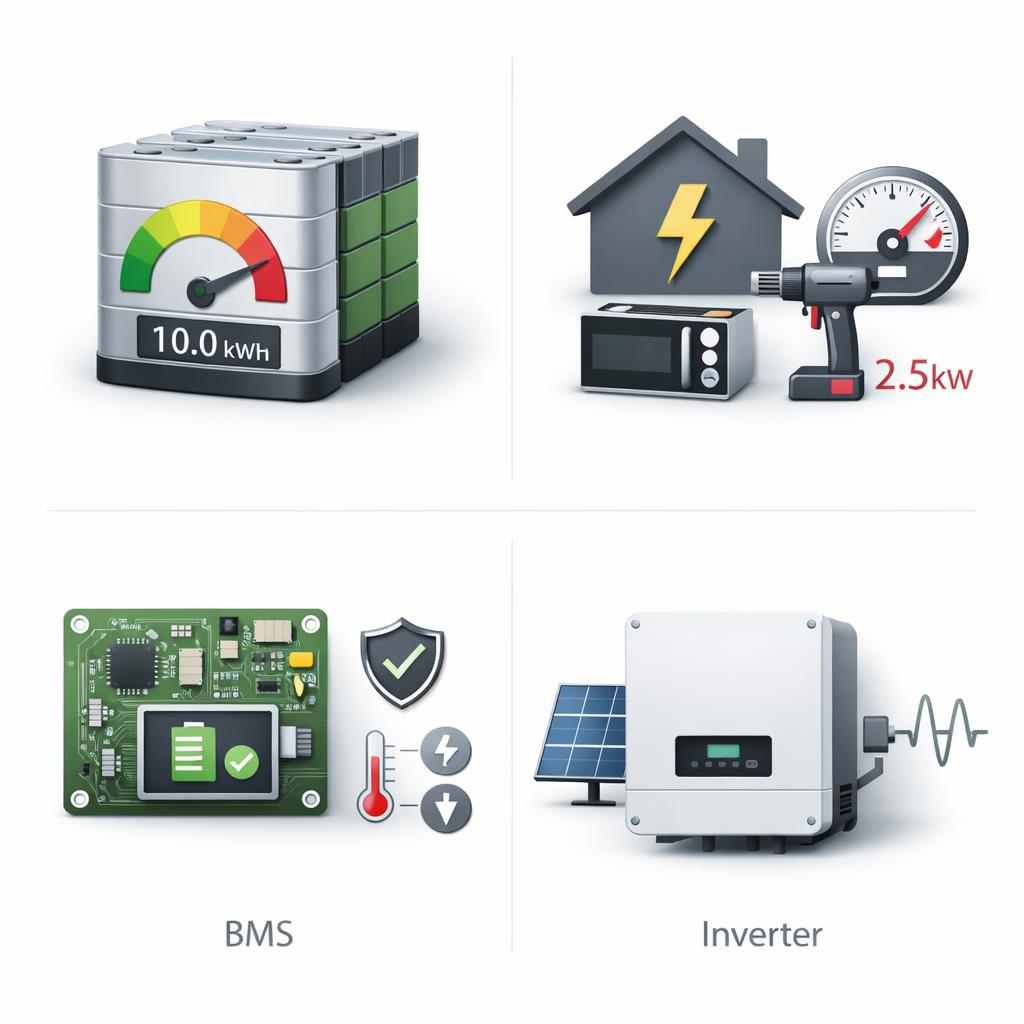
Capacity in kWh determines how much energy you can store, while power indicates how many devices you can power simultaneously. That difference is important. For example, a battery with enough capacity but too little power can store energy for a long time, but cannot support heavy consumers at the same time. That is why many do-it-yourselfers are looking at modular systems with LiFePO₄ cells. These can often be expanded later, as long as the BMS and the inverter also support that expansion. A modular system is often the safest and smartest route: you can start small, gain experience and scale up later without replacing everything.
Here you should pay attention to safety, BMS and compatibility
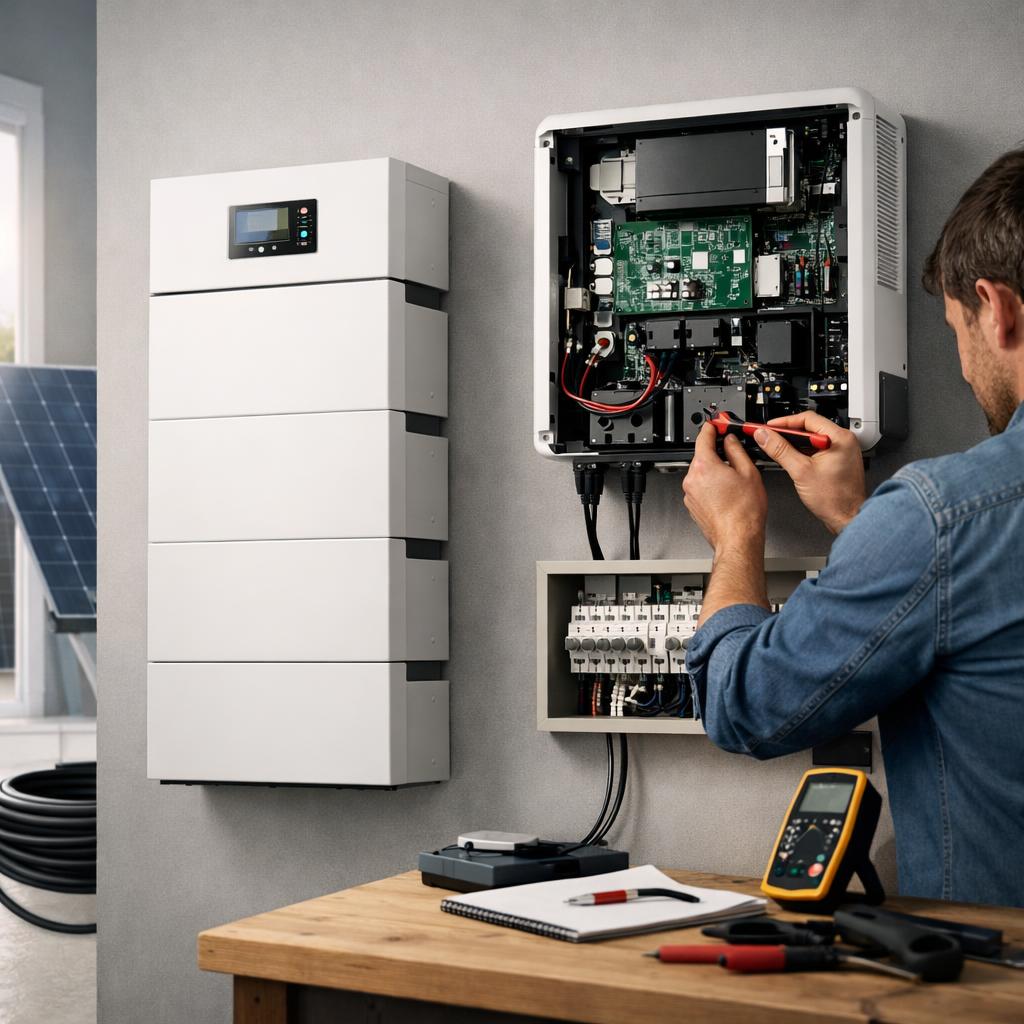
When building a home battery yourself with BMS, safety is not an additional advantage, but the basis of the entire design. The Battery Management System monitors voltage, temperature, charge and discharge limits and the balance between the cells. Without a properly coordinated BMS, the risk of malfunctions, faster wear or unsafe situations increases. Therefore, always check whether the battery cells, fuses, cable thicknesses, housing and inverter are technically compatible with each other. The installation location also matters: choose a dry, stable, frost-free room with sufficient ventilation and without direct heat sources.
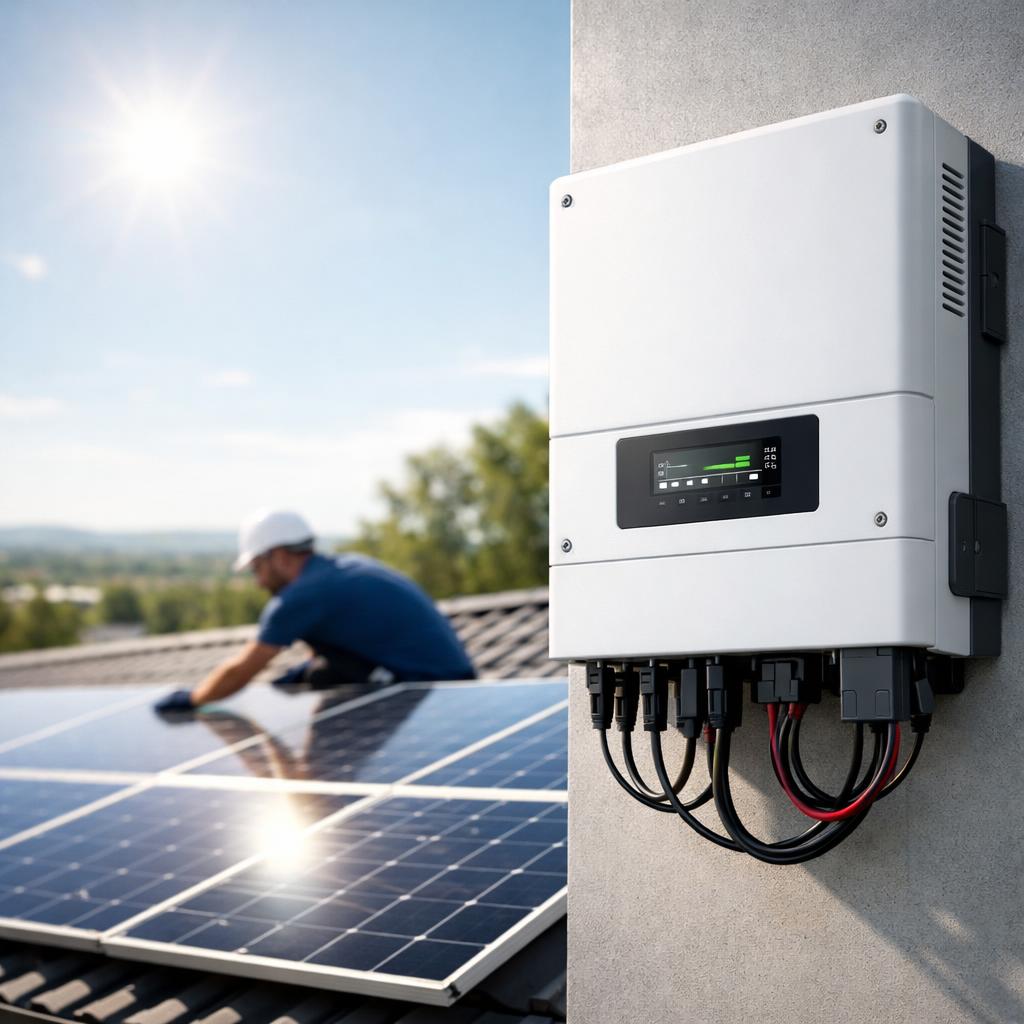
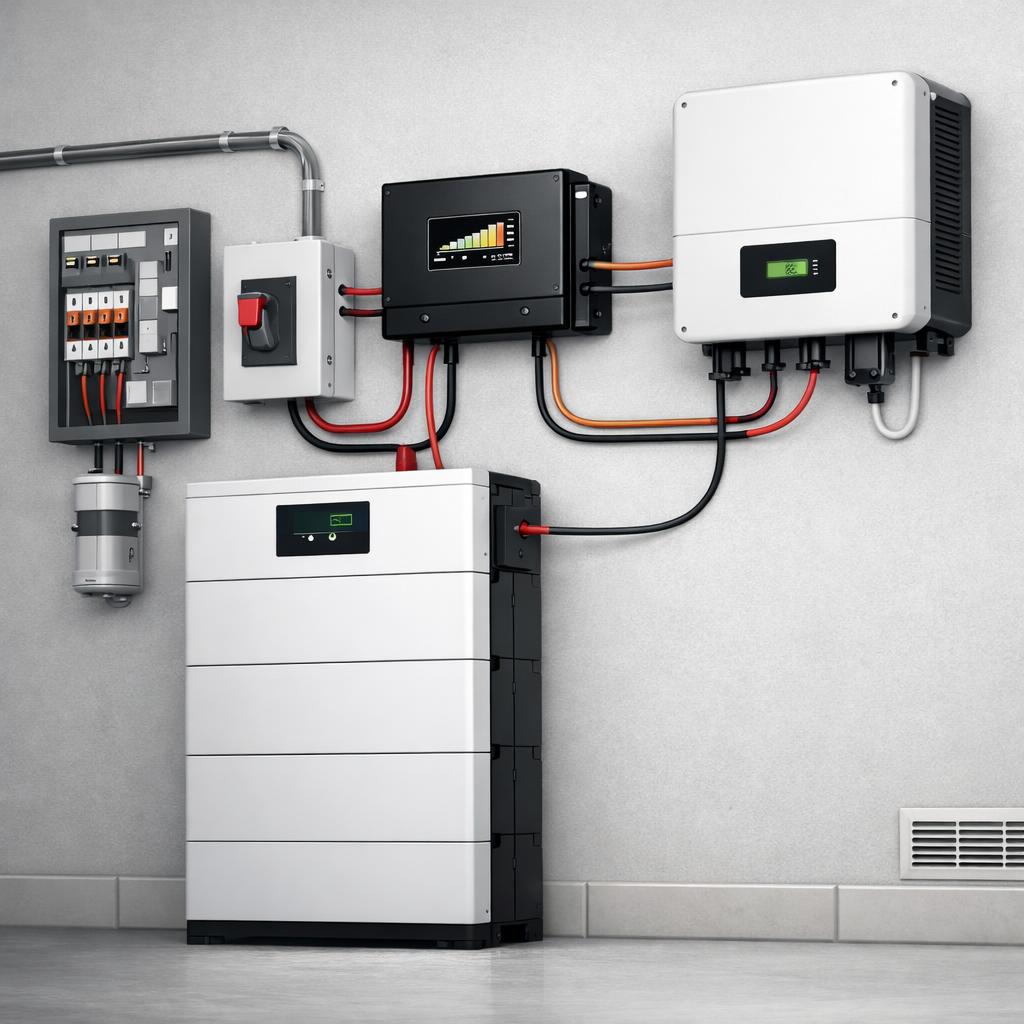
Compatibility is at least as important as the quality of the battery itself. A good package only works really well if charging profiles, nominal voltage and communication with the inverter are set correctly. In the US, home installations, grid connections and inspection requirements may also vary per state or municipality. That is why it is smart to delve into the technical coherence of the system in advance. If you want to understand this better, you can read more about inverters and battery compatibility. As soon as your system is connected to the meter cupboard or a solar installation with grid interaction, inspection by a certified installer is often the safest choice.
Why LiFePO₄ is the logical choice for many home systems
LiFePO₄ is often the most logical battery technology for home use. This chemistry is known for a good combination of thermal stability, long service life and many usable charging cycles. This makes LiFePO₄ attractive for those looking for a system that can last for years and perform relatively predictably. Of course, chemistry alone does not automatically make an installation safe; the finish, protection and settings remain just as important. But for many households looking for the Best DIY home battery, LiFePO₄ is the most sensible starting point.
Good DIY options often fall into a few clear categories. There are complete LiFePO₄ kits such as BetterESS 51.2V 340Ah and similar 15 kWh packages for those who want a solid starting point. For smaller or budget-friendly setups, there are 48V boxes with integrated BMS, such as JK BMS ESS-style systems. In addition, there are modular choices around 5.12 kWh that are easier to expand. Those who want to design less themselves can also look at wall models or larger floor-standing systems with more pre-assembled parts. The best choice therefore depends less on one name and more on capacity, expandability and how complete the system is delivered.
Conclusion
The Best DIY home battery is ultimately the battery that suits your consumption, desired backup duration, available space and technical level. Always start with the question of how many kWh you really need, then look at power and then assess safety, BMS, compatibility and expandability. For many homes, LiFePO₄ is the most logical basis, precisely because this technology fits well with residential use and modular construction. If you mainly want to store solar energy, a scalable system of average size is often sufficient. Anyone who wants emergency power for multiple groups must rely much more strictly on peak power, inverter selection and safe integration with the home installation.
So don't choose blindly based on a top list or a low price. Look at neutral criteria, check the specifications and take professional help seriously when the installation is connected to the meter cupboard or the grid. This increases the chance of a system that not only works today, but also remains safe, practical and expandable in the future.
FAQ
How many kWh does a DIY home battery need?
That depends on your goal. You usually need less capacity to store solar energy for the evening than for a system that also has to supply emergency power. Look at your daily consumption, especially in the hours without sun, and determine how much autonomy you want. A calculation based on real consumption is always the best start.
In many cases it is smarter to start a little smaller with an expandable system than to immediately purchase too much capacity. This way you keep the investment manageable and you can scale up later if your consumption changes.
Is a LiFePO₄ home battery safer for home use?
LiFePO₄ is often seen as a stable and suitable choice for home use, mainly due to its favorable thermal properties and long lifespan. That's a big reason why many people choose this chemistry for a DIY project.
Yet safety never depends solely on battery chemistry. The BMS, fuses, cables, mounting, ventilation and correct settings also determine whether a system really functions safely.
Can I expand a DIY home battery later?
Yes, but only if your design is prepared for this from the start. Pay attention to compatible modules, sufficient space in the BMS and an inverter that supports additional storage capacity. Not every system can be easily expanded later.
Therefore, check before purchase whether additional modules of the same series remain available. This prevents you from having to improvise later with parts that do not technically go together well.
When should I call in a professional?
As soon as your system is connected to the meter cupboard, solar panels with grid interaction or critical home groups, professional help is usually wise. This also applies if you have doubts about inspection requirements, permits or insurance conditions.
Building it yourself and having it professionally checked is often a strong middle ground: you keep control of costs and structure, but at the same time reduce the chance of errors that can later prove expensive or unsafe.