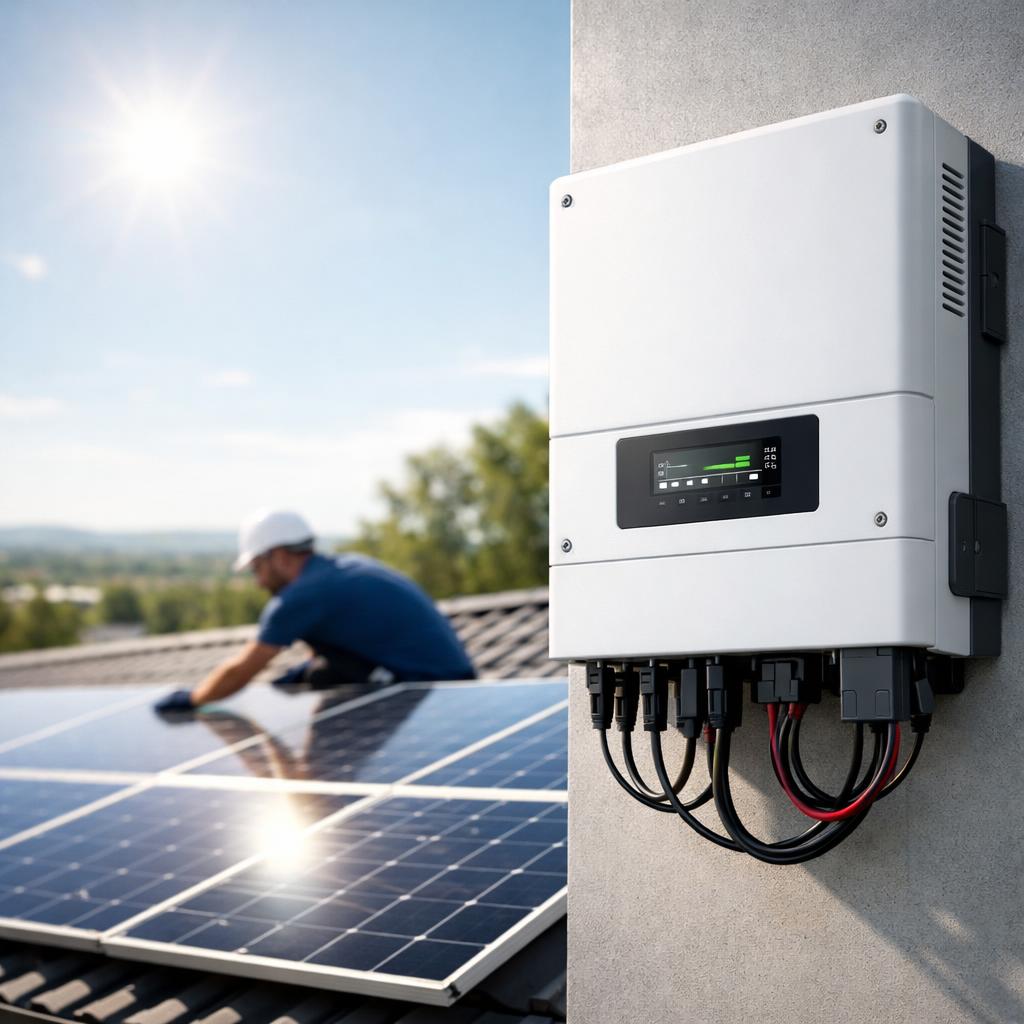
The Best home battery with backup power is rarely simply the model with the most storage. In practice, it is about the right balance between capacity, power, safe switching in the event of a power failure and a good match with your meter cupboard and inverter. Especially if you want to keep appliances such as your refrigerator, lighting, WiFi, a central heating pump or water pump running during a fault, just looking at kWh is not enough.
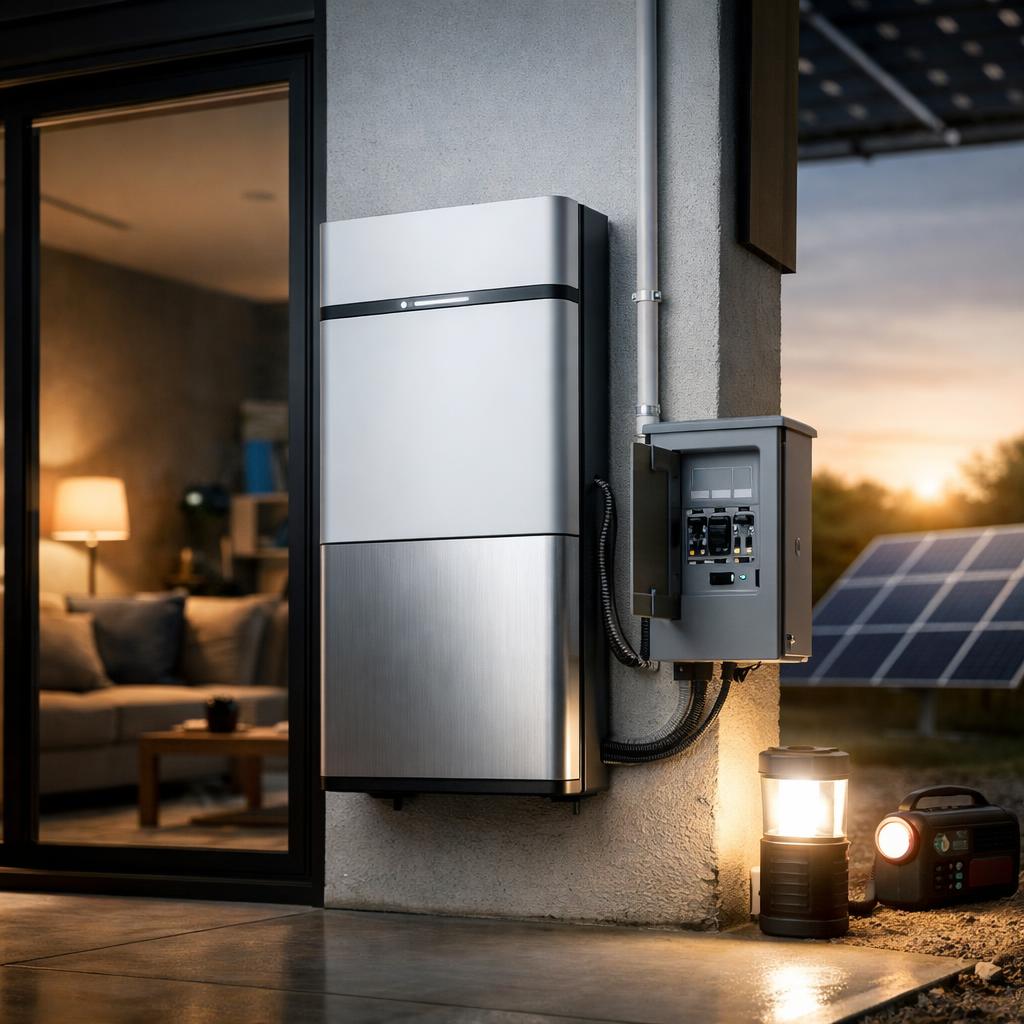
If you want to determine which home battery with emergency power is wise to choose, it is a good idea to first understand the difference between regular energy storage and real backup functionality. Not every battery remains usable once the grid goes out. Additional components are often required, such as a backup box or a hybrid inverter that supports emergency power. If you want to better estimate in advance how many kWh you need, it will be much easier to choose a system that fits your daily use and in the event of a breakdown.
What makes a home battery really suitable for emergency power?
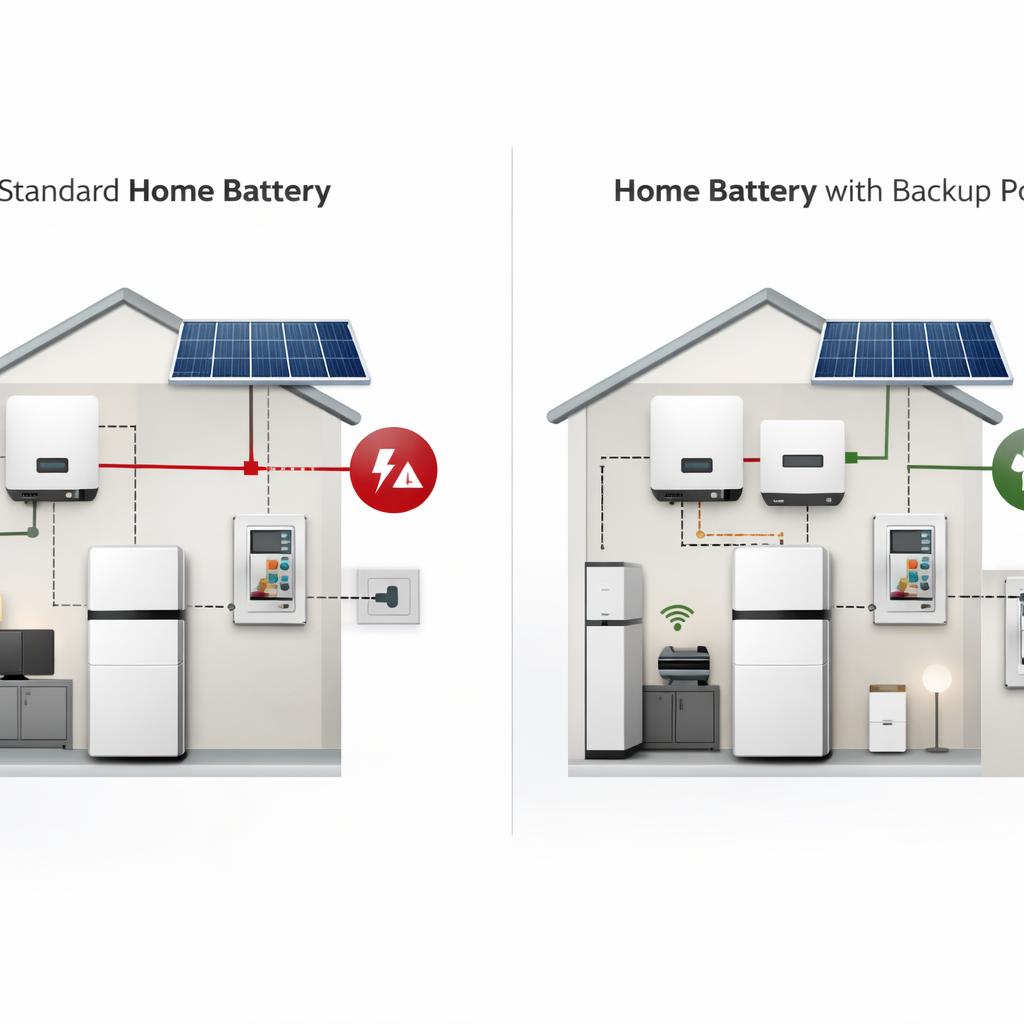
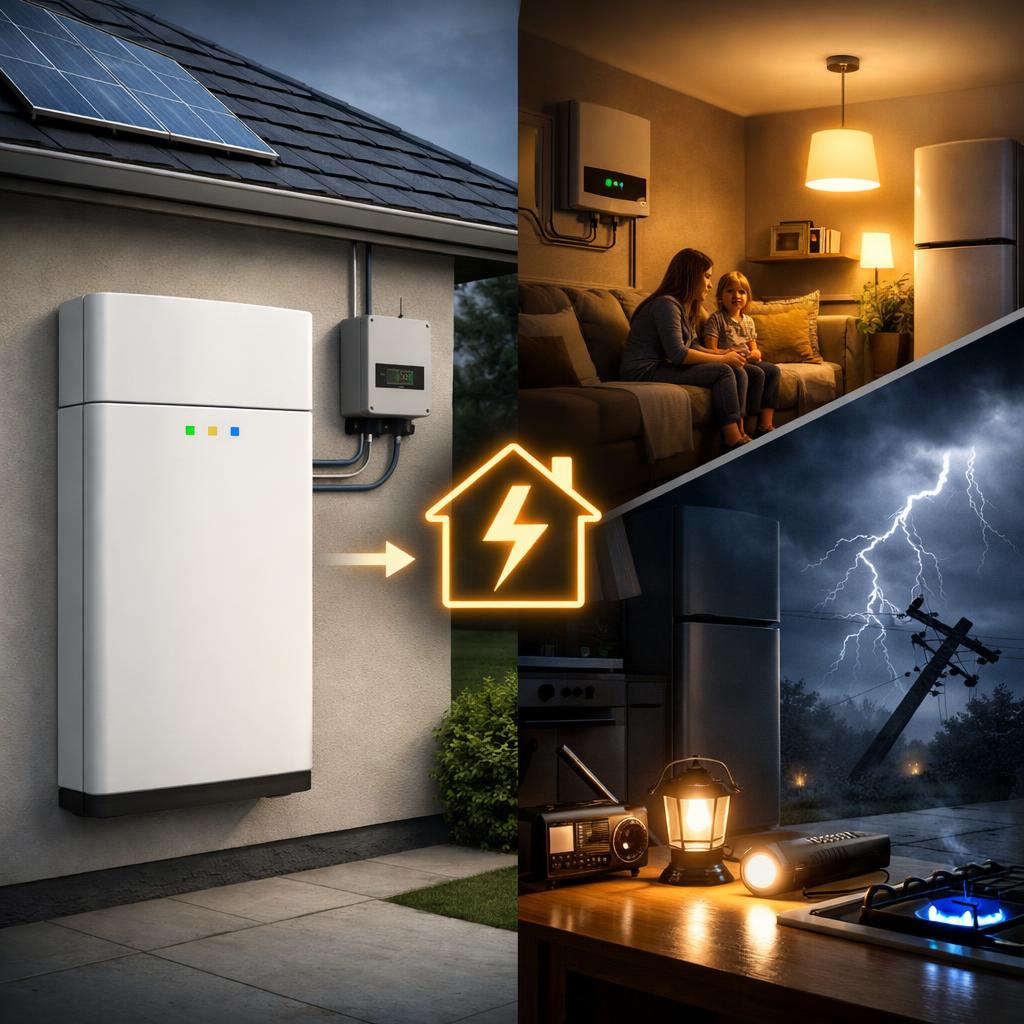
A standard home battery can store solar power and supply it back later, but that does not mean that your home will automatically be supplied with energy in the event of a power outage. For real emergency power, you usually need a system that safely disconnects the house, or at least a number of selected groups, from the public grid and then switches to battery power. That is why a home battery with automatic switchover in the event of a power failure is different from a regular storage solution.
Automatic changeover, backup box and smart inverter
Pay particular attention to three things: automatic switching, support of essential groups and a suitable inverter. In many situations, a backup box or similar switching solution is needed to arrange this safely. Without that extra hardware, a battery can often charge and discharge, but cannot provide reliable emergency power during a real failure. That's exactly why professional installation is highly recommended, especially if you want to power more than just a few sockets.
Popular solutions on the market vary widely. Compact systems such as a BLUETTI Apex 300 or an EcoFlow setup are interesting for limited backup and modular expansion. Those looking for a permanent home installation are more likely to look at larger LiFePO4 systems of approximately 5 to 16 kWh, such as wall models, floor-standing batteries or an all-in-one hybrid home battery. For those who really want partial or full home backup, heavier systems with higher output and an integrated emergency power supply make more sense.
How much capacity and power do you need at home?
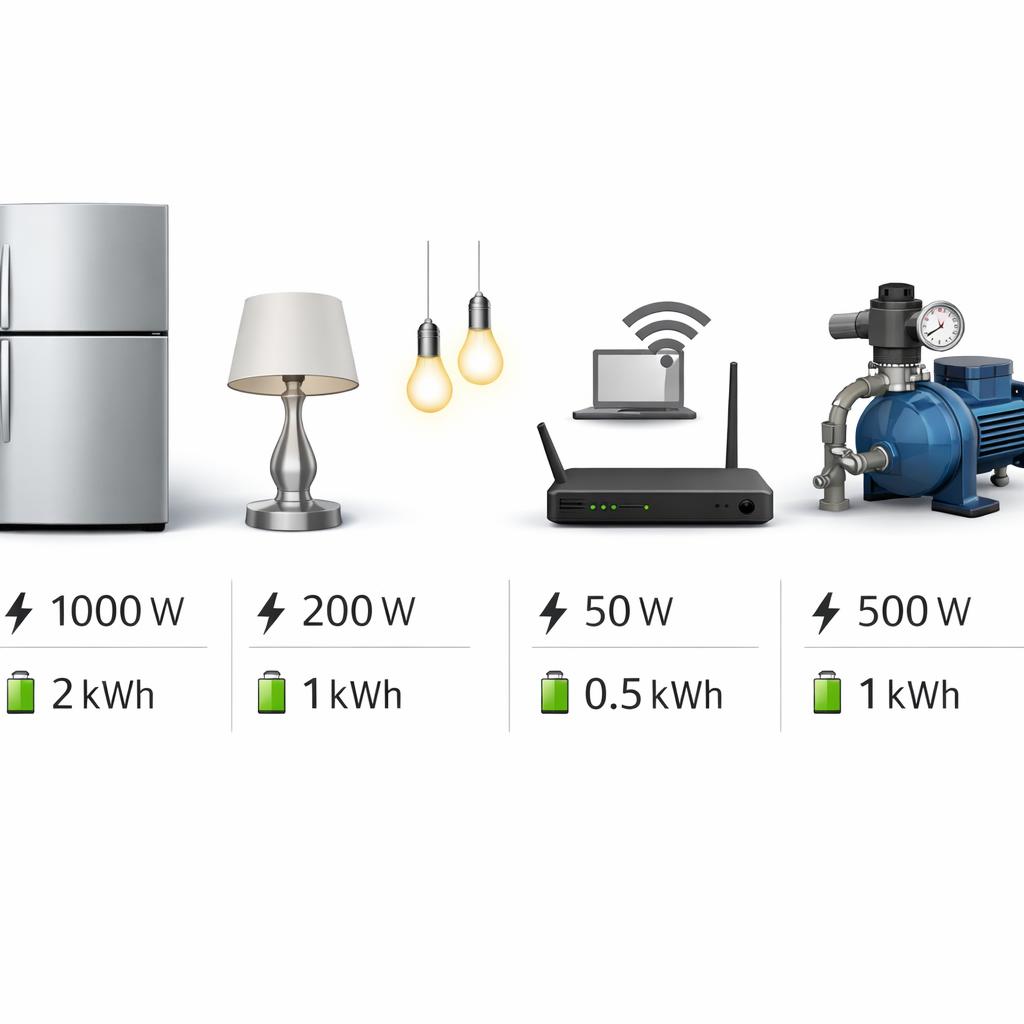
When choosing the best home battery for emergency power and solar panels, always look at capacity in kWh and power in kW. Capacity determines how long devices can continue to run. Power determines how many devices can operate simultaneously. A battery with enough kWh but too little kW can still fall short when, for example, the refrigerator, lighting, modem and pump start up at the same time. The question how many kWh home battery you need in the event of a power outage therefore depends on what you really want to keep running during a failure.
Essential appliances vs. partial home backup
For only essential devices, a more compact system is often suitable, as long as it can handle peak powers. Think of a refrigerator, some lamps, WiFi, chargers and possibly a circulation pump. If you also want to continue using your home workplace, extra sockets, security or part of the kitchen, you usually need more storage and higher continuous power. Complete home backup is possible, but requires a larger investment and is by no means the smartest choice for every household.
As a rough guideline, a smaller system is often sufficient for basic consumption, while 10 kWh or more is more likely to be the case for multiple groups. The power remains just as important as the storage. So not only look at the battery size, but also at the continuous output power and whether the system is prepared for emergency power. If you have solar panels, also check the compatibility with solar panels and inverter, so that charging and backup work well together.
Conclusion
The Best home battery with emergency power is the solution that suits your home, your most important consumers and the way in which you want to use backup. Always pay attention to four points: real emergency power support, sufficient kWh, enough kW and safe integration with inverter and meter cupboard. For many households, a system for essential appliances is more practical and affordable than full home backup.
Therefore, compare not only storage capacity, but also automatic switching, backup box, battery type and installation options. LiFePO4 is often the logical choice for the home due to its long lifespan and stable performance. If you already have solar panels or want to add them later, compatibility is extra important. This way you make a choice that not only sounds good in terms of product information, but also works reliably during a real power outage.
FAQ
Can any home battery automatically switch over in the event of a power outage?
No. Many systems require additional hardware, such as a backup box or an inverter that supports emergency power. Without these components, a battery often cannot provide a safe automatic backup.
How big should a home battery be for refrigerator, lighting and WiFi?
That depends on the consumption and the number of hours you want to cover. Basic consumption requires less capacity than partial home backup, but the system must have enough peak power for devices that require additional power when starting up.
Does a home battery with emergency power also work without solar panels?
Yes. A home battery can also function without solar panels, as long as the system can charge via the grid and supports the emergency power function. Solar panels mainly make it more flexible, because you can recharge the battery during or after a failure if the configuration supports it.
Is professional installation really necessary?
Yes, usually. A home battery with emergency power directly affects the electrical installation of your home. Professional placement helps limit risks and ensures that switching, security, compatibility and selection of essential groups are correctly set up.